Choosing Between Cedar and Douglas Fir Fencing in the Pacific Northwest
2/1/20222 min read
Introduction
When considering fencing options in the Pacific Northwest, one must take into account the regional climate and its implications for material durability and maintenance. This discussion will focus on two common wood types for fencing: cedar and douglas fir, emphasizing why cedar often emerges as the superior choice in this challenging environment.
The Challenges of Douglas Fir Fencing in the PNW
Douglas fir wood, although readily available and less expensive than cedar, presents several challenges when used for outdoor fencing in the PNW. The region is characterized by high levels of rainfall and humidity that can cause douglas fir to warp, crack, and rot more rapidly than cedar. Furthermore, douglas fir is sensitive to pest infestations, being more susceptible to insects like termites and wood-boring beetles. In contrast to cedar, which has natural oils that repel these pests, douglas fir requires treatment with preservatives to prevent such issues.
Advantages of Cedar Fencing
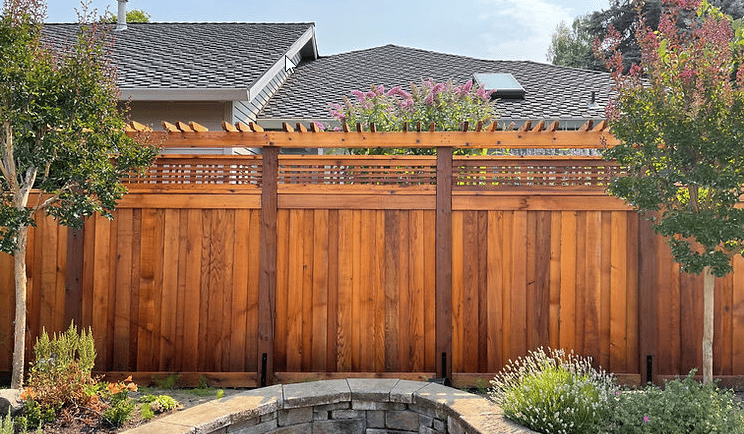
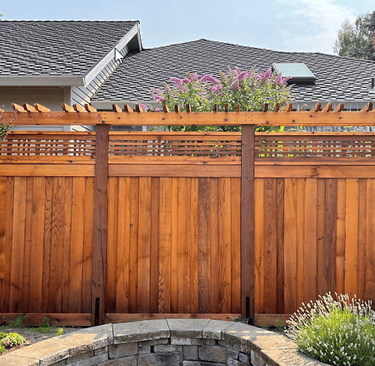
Cedar is often regarded as the gold standard for fence construction in the Pacific Northwest. Its inherent resistance to moisture and decay makes it a resilient option for the damp climate of the region. Cedar’s naturally occurring oils act as a preservative, extending its lifespan and making it less prone to warping and splitting. Moreover, the aesthetic appeal of cedar's rich tones and grain patterns can greatly enhance the visual appeal of landscaping, adding significant value to properties.
In addition to its durability and beauty, cedar fencing requires less maintenance than douglas fir. While douglas fir fences may need regular treatments to extend their lifespan, cedar can often be left untreated for years without significant deterioration. When treated, cedar can withstand the elements even longer, making it a worthwhile investment for homeowners considering fencing options.
Conclusion: Making an Informed Decision
In summary, while douglas fir may initially appear as a cost-effective option for fencing, the long-term challenges it presents in the unique PNW climate can lead to increased upkeep and greater replacement costs. On the other hand, cedar stands out as a durable, low-maintenance, and aesthetically pleasing alternative. For those investing in fencing solutions in the Pacific Northwest, cedar truly is the ideal choice, providing both practicality and beauty that endure through the region's wet and variable weather.
Contact
Reach out for your fencing and deck needs! View our Social Media accounts for more content and updates!
Phone
© 2025. All rights reserved.